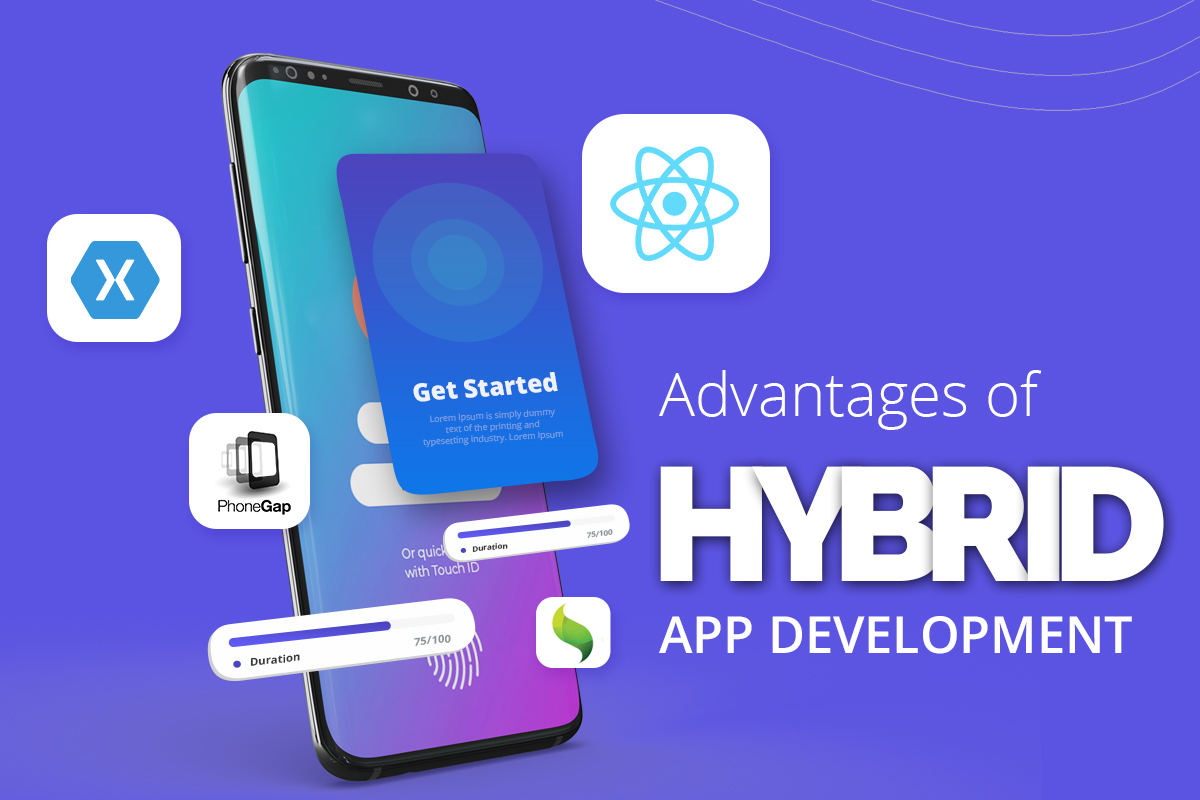
Module 1: Introduction to Hybrid Mobile Application Development
- What is Hybrid App Development?
- Native vs Hybrid vs Web Apps
- Advantages and disadvantages of hybrid apps
- Overview of hybrid frameworks (Ionic, React Native, Flutter, Xamarin)
- Cross-Platform Development Concepts
- Why cross-platform development? (cost, time efficiency, and reach)
- Understanding WebViews, native components, and bridging
- Overview of Hybrid Mobile App Technologies
- HTML5, CSS3, and JavaScript for Hybrid Apps
- Brief introduction to tools like Cordova/PhoneGap, Ionic, Flutter, React Native, Xamarin
- Setting Up the Development Environment
- Installing and configuring IDEs: VS Code, Android Studio, Xcode, etc.
- Setting up Android and iOS emulators/simulators
Module 2: Understanding the Basics of Hybrid Mobile App Frameworks
- Ionic Framework
- Overview of Ionic and its components (Angular, React, Vue.js)
- Working with Ionic CLI
- Building a simple Ionic app
- Using Cordova plugins
- React Native
- Overview of React Native and its components
- Setting up React Native development environment
- Building a simple React Native app
- Using native modules and libraries
- Flutter
- Introduction to Flutter and Dart programming language
- Setting up Flutter SDK
- Building a simple Flutter app using widgets
- Xamarin
- Introduction to Xamarin and Xamarin.Forms
- Setting up Xamarin development environment (Visual Studio)
- Building a simple Xamarin app
Module 3: Core Concepts and Components in Hybrid Apps
- Understanding Layouts and Views
- Ionic: Using Ionic components (Ion-Buttons, Ion-List, Ion-Card, etc.)
- React Native: Building layouts using Flexbox, Text, and View
- Flutter: Building responsive UIs using Widgets and Material Design
- Xamarin: XAML-based layouts, Xamarin.Forms controls
- Routing and Navigation
- Ionic: Navigation with Ionic Router
- React Native: React Navigation library
- Flutter: Using Navigator and Routes
- Xamarin: NavigationPage, MasterDetailPage, and Shell
- State Management and Data Binding
- Using State in React Native with Hooks
- Managing data in Flutter with Provider or Riverpod
- Managing states in Ionic with Angular services or React Context
- Managing state in Xamarin using MVVM pattern
Module 4: Working with APIs and Databases
- Making HTTP Requests
- Fetching data using HTTP requests (Ionic, React Native, Flutter, Xamarin)
- Handling JSON responses and displaying data in the app
- Using Axios, Fetch API, Dio (for Flutter), etc.
- Local Storage and Databases
- Using SQLite and local storage in hybrid apps
- Introduction to databases: IndexedDB, SQLite, Realm
- Managing offline data using local databases in Ionic, React Native, Flutter, and Xamarin
- Data persistence and sync strategies
Module 5: Accessing Native Device Features
- Using Device APIs
- Camera, GPS, Geolocation, Contacts, and more
- Accessing device sensors like accelerometer and gyroscope
- Using Cordova plugins in Ionic to access device features
- Using React Native modules (react-native-camera, react-native-geolocation)
- Flutter plugins (camera, location, etc.)
- Xamarin Essentials for accessing device features (camera, battery, sensors)
- Notifications and Background Tasks
- Push Notifications with Firebase (Ionic, React Native, Flutter, Xamarin)
- Handling background tasks and notifications in hybrid apps
- Local notifications in hybrid apps (Ionic, React Native, Flutter)
Module 6: Debugging, Testing, and Optimizing Hybrid Apps
- Debugging Hybrid Apps
- Debugging using Chrome Developer Tools in Ionic and React Native
- Using Flutter DevTools for performance monitoring
- Debugging Xamarin apps with Visual Studio
- Unit Testing and UI Testing
- Writing unit tests for hybrid apps (Jest for React Native, Mocha for Ionic)
- UI testing with Detox (React Native) or Flutter Driver
- Unit testing in Xamarin with NUnit and XUnit
- Performance Optimization
- Performance tuning for hybrid apps (lazy loading, code splitting)
- Optimizing app startup time and runtime performance
- Memory management and reducing battery consumption
Module 7: Building and Packaging Hybrid Mobile Apps
- Building and Packaging Apps for iOS and Android
- Configuring the build process (Ionic, React Native, Flutter, Xamarin)
- Creating APKs for Android and IPAs for iOS
- Handling platform-specific requirements (icons, splash screens, permissions)
- Using Xcode (for iOS) and Android Studio for app packaging and deployment
- App Store Deployment
- Preparing apps for deployment to Google Play and Apple App Store
- App Store guidelines and publishing apps
- Creating developer accounts and setting up certificates
- Versioning and managing app updates
Module 8: Advanced Hybrid Mobile Application Topics
- Deep Linking and Universal Links
- Implementing deep linking in Ionic, React Native, and Xamarin
- Handling universal links and app-to-app communication
- Authentication and Authorization
- User authentication with OAuth, JWT, Firebase Authentication
- Implementing secure login flows and session management
- Building Custom Native Modules
- How to build custom native modules in React Native
- Creating platform-specific code in Xamarin
- Writing custom native code for Flutter plugins
- Accessing low-level device APIs for advanced use cases